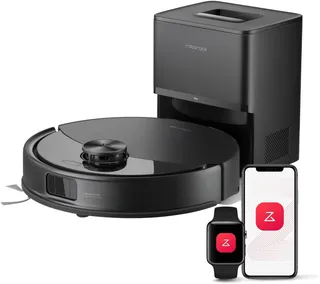
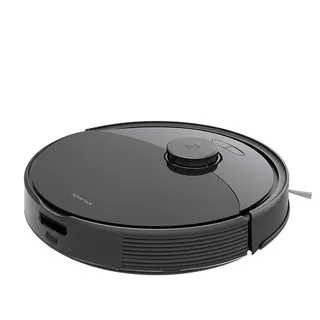
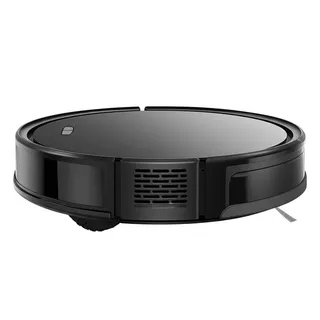
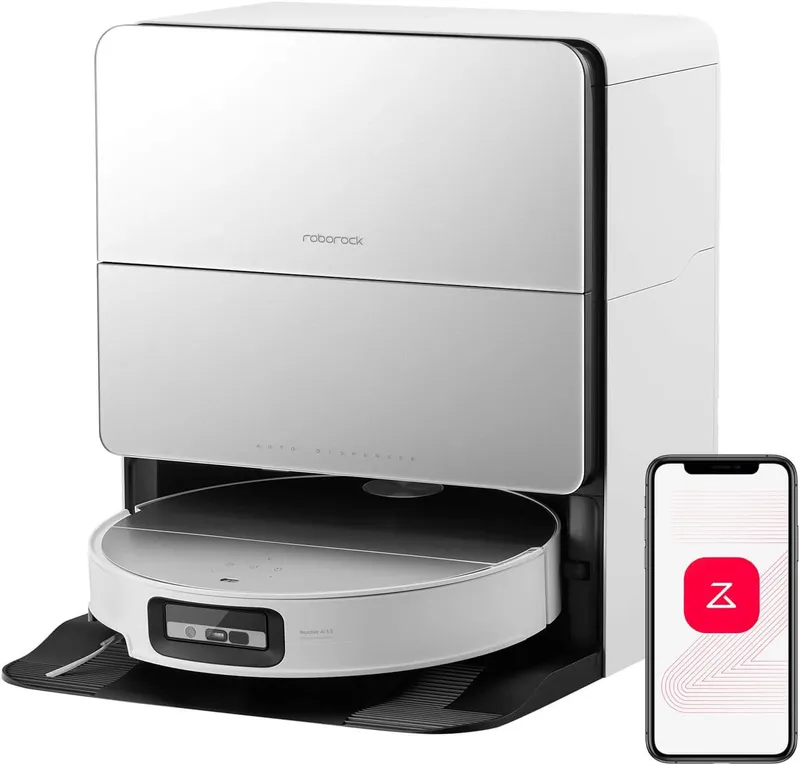
Roborock Saros 10
- mopping self empty mop washing mop drying lidar obstacle avoidance no go zones multi floor carpet boost
Released 2025
Suction
22,000 Pa
Battery
220 min
Navigation
RetractSense Lidar
Mopping
1 Vibrating Pad
Full Specifications
| Suction Power | 22,000 Pa |
| Battery Life | 220 min |
| Dustbin Capacity | 270 ml |
| Navigation | RetractSense Lidar |
| Robot Height | 3.14" |
| Threshold Climbing | 40 mm |
| Brush Roll | DuoDivide Brush |
| Mopping | 1 Vibrating Pad |
| Mop Raising Height | 18 mm |
| Self-Empty Dock | Bagged |
| Dock Bag Capacity | 2.7 L |
| Mop Washing | Hot Water |
| Mop Drying | Yes |
| Obstacle Avoidance | Yes |
| Objects Recognized | 108 |
| Multi-Floor Maps | Yes |
| No-Go Zones | Yes |
| Carpet Boost | Yes |
| HEPA Filter | Yes |
| WiFi | 2.4 GHz |
| Voice Assistants | Alexa, Google |
| Warranty | 1 year |
Compare with similar models:
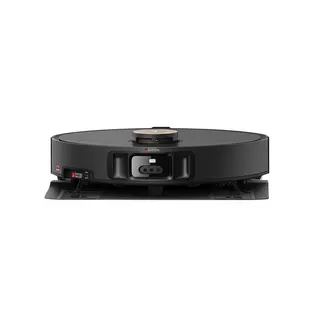
At just 3.14 inches tall, the Roborock Saros 10 can slip under furniture that stops other robot vacuums cold. That ultra-slim profile is this machine’s party trick, made possible by a retractable LiDAR tower that drops down when the robot needs to squeeze into tight spaces. Announced at CES 2025 and shipping to US customers by February, the Saros 10 launched at $1,599.99 but has seen discounts down to $1,099.99 during sales.
Here’s the bottom line: this is an excellent premium vacuum for homes with mostly hard floors and low-to-medium pile carpet. It struggles with pet hair and high-pile rugs, and its mopping falls short of spinning-pad alternatives. But if you want serious suction power in a package that can actually reach under your couch, it delivers.
The Hardware That Matters
The 22,000 Pa suction represents a 120% jump over the S8 MaxV Ultra. That’s genuine pulling power, though the 270ml dustbin means you’ll want the auto-empty dock running regularly.
Roborock’s DuoDivide brush system uses two smaller parallel brushes with a gap between them. This design earned TUV SGS certification for zero hair tangling, and there’s a motorized hair removal tool built in. The trade-off? Pet hair pickup on carpet suffers compared to traditional brush rolls.
The 6,400 mAh battery provides up to 220 minutes in quiet mode, enough to cover roughly 1,333 square feet per charge. Fast charging through the RockDock Ultra 2.0 gets you back to full in about 2.5 hours.
Navigation and Obstacle Detection
The RetractSense LiDAR system retracts to let the robot maintain that 3.14-inch clearance, then extends when it needs full mapping capability. Reactive AI 3.0 combines triple structured light sensors up front with an RGB camera and lateral structured light for obstacle detection. Roborock claims it recognizes 108 different object types.
Real-world performance? Outstanding on hard floors. The Saros 10 navigates around furniture smoothly and rarely crashes into things. USB cables sometimes get missed, and rug tassels can cause occasional tangles, but these are edge cases.
Cleaning Performance in Practice
Hard Floors: This is where the Saros 10 shines. Expect 90-95% debris pickup across fine, medium, and large particles. Edge and corner pickup runs excellent.
Low-Pile Carpet: Adequate but not exceptional. Fine dust pickup drops to 60-70%, and corners give it trouble. The side brush doesn’t agitate fine particles effectively.
High-Pile Carpet: Problematic. The robot often refuses to climb high-pile rugs without manual intervention through the app. Not recommended if high-pile dominates your home.
Pet Hair: Disappointing, frankly. Multiple passes are needed to get reasonable pickup on carpet. The anti-tangle brush design trades hair-agitation effectiveness for tangle prevention.
Mopping Capabilities
The VibraRise 4.0 system vibrates at up to 4,000 times per minute rather than spinning. An independent side mop pad extends for edge cleaning, and the main pad lifts 18mm when it detects carpet.
General grime on hard floors? Handles it well. Dried stains? That’s where spinning pads like those on the Saros 10R outperform this vibrating design significantly. In testing, the 10R scored 103 points on stain removal compared to the Saros 10’s 57 points.
Edge coverage isn’t true edge-to-edge. The side mop helps but can ride up on quarter-round molding, leaving some corner gaps that may need spot-cleaning.
The RockDock Ultra 2.0
The multi-function dock auto-empties into 2.7L disposable bags that can last up to 70 days. It washes mop pads with water heated to 80C (176F) according to Roborock, though independent testing measured actual temperatures closer to 114F. Warm air drying runs up to 55C (131F).
One safety note: a documented April 2025 incident involved a base station overheating during auto-empty with no error alerts. The unit got extremely hot. This appears to be an isolated case with no recall issued, but it warrants awareness.
App and Smart Home Integration
The Roborock app (iOS and Android) handles setup in 5-15 minutes and maps a 1,500 square foot apartment in roughly 12 minutes. User reviews consistently praise its intuitive design.
Key features include smart room detection with auto-division, up to four floor maps, real-time tracking during cleaning, and customizable virtual barriers and no-go zones. Five suction levels run from Quiet through Max+, with separate water flow adjustments for mopping.
Smart home integration covers Alexa, Google Assistant, Siri, and Matter 2.0 (added via April 2025 firmware update). A built-in voice assistant called Rocky handles some commands offline. No subscription is required for any features.
Maintenance and Longevity
Tool-free brush roll removal and dishwasher-safe HEPA filters keep maintenance simple. The auto-empty dock can run 70 days between bag changes.
Expected replacement costs run $150-200 annually:
- Washable HEPA filters (2-pack): $32.99, replace every 1-2 months
- Side brushes (2-pack): $15.99, replace every 200 hours
- Mop cloths: roughly $16, replace monthly
Roborock provides a 1-year limited warranty covering defects under normal use. Extended coverage is available through Amazon (Asurion) for an additional three years. Support experiences vary, with some users reporting excellent 3-hour response times and others describing frustrating warranty claim processes.
Saros 10 vs. Saros 10R
The sibling comparison matters. The Saros 10 wins on suction (22,000 Pa vs 19,000 Pa), battery life (220 vs 180 minutes stated), and mop lifting height (18mm vs 8mm).
The 10R wins on navigation (perfect obstacle avoidance scores vs the Saros 10’s 21/24), and mopping performance (103 vs 57 points on stain removal with its dual spinning pads).
If vacuuming power and edge coverage matter most, pick the Saros 10. If mopping and obstacle detection are priorities, the 10R is the better choice.
Who Should Buy This
The Saros 10 makes sense for homeowners with mixed floor types where hard floors dominate, who value the ultra-slim design for under-furniture access, and who want hands-free operation with the auto-empty dock. Budget should be $1,000-$1,600, and home size ideally 1,000-2,500 square feet on a single floor.
Skip it if high-pile carpet dominates your home, if pet hair is your primary debris type, if mopping performance is a high priority, or if you need a plumbed dock option (not available in most US markets).
At the current $1,099.99 sale price, the Saros 10 represents solid value for the right household. Just know what you’re getting: exceptional hard-floor vacuuming and low-clearance navigation, with compromises in pet hair pickup and mopping effectiveness.